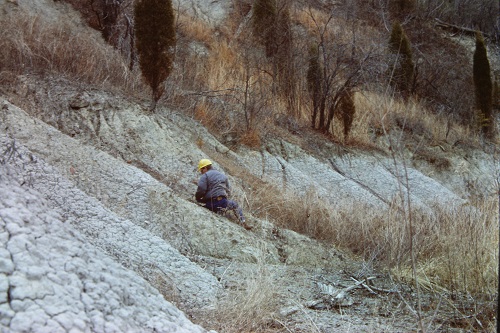
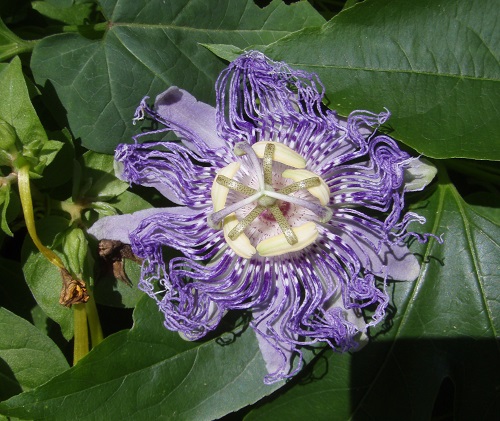
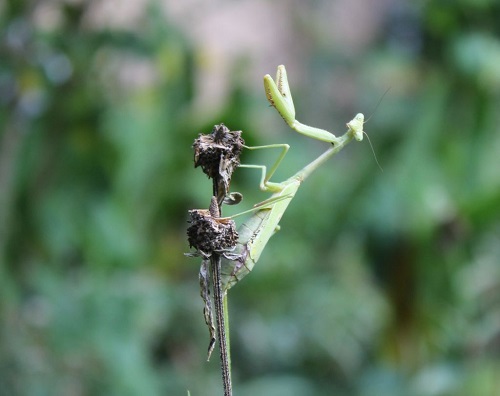
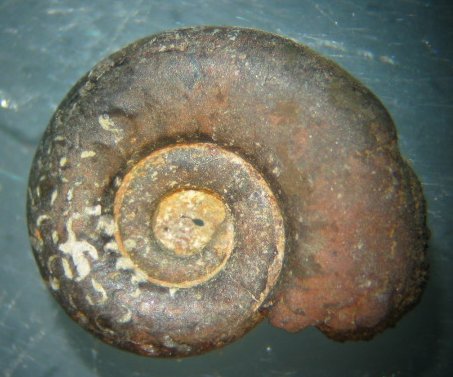
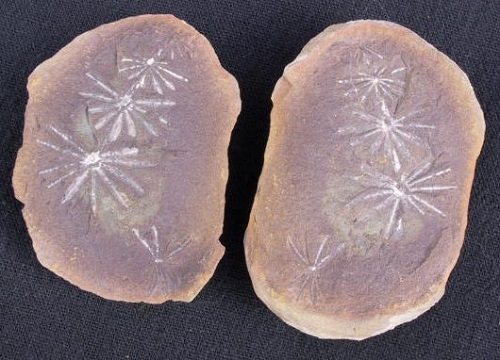
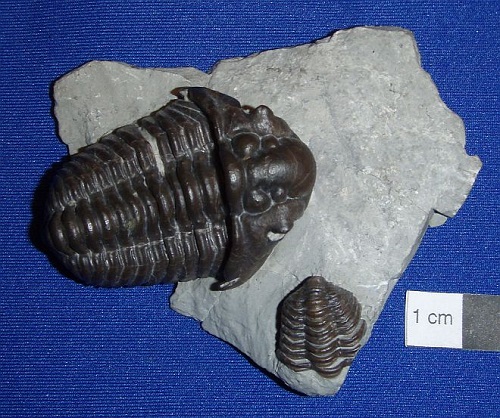
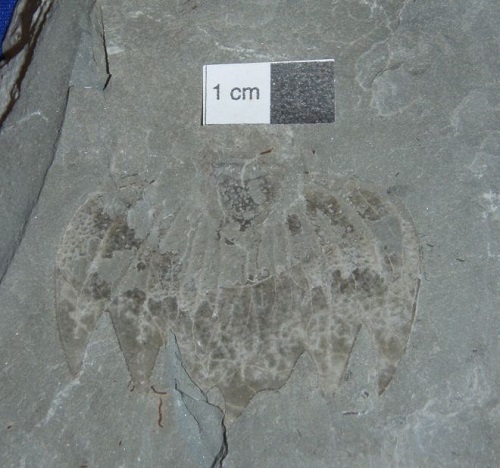
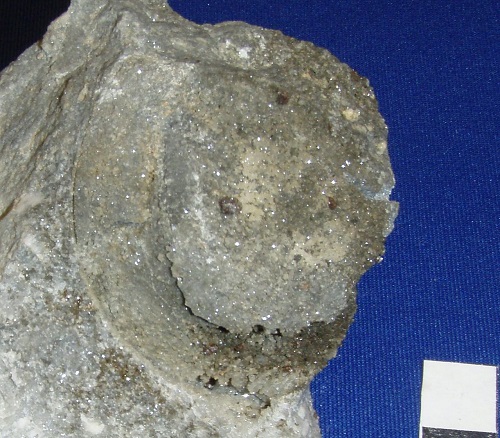
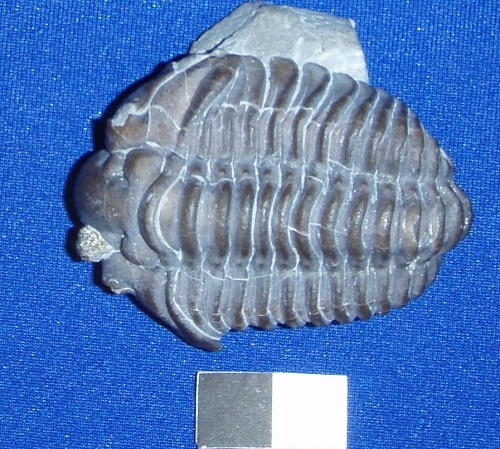
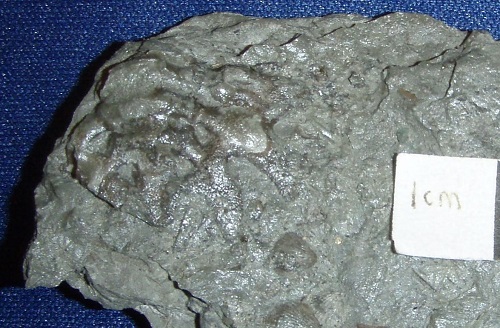
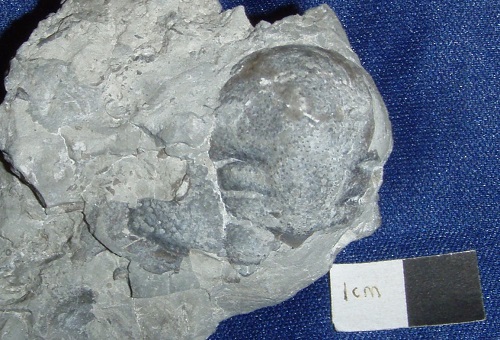
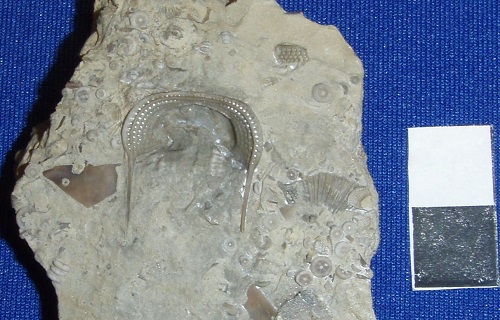
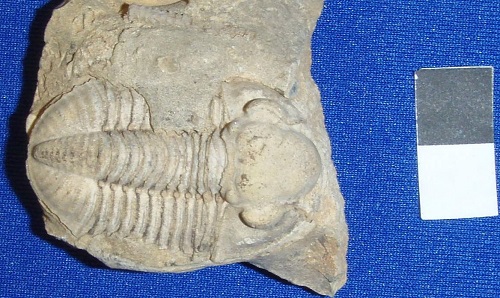
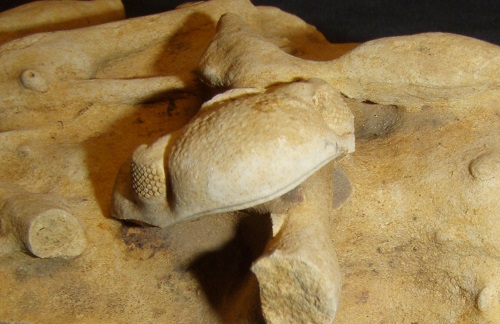
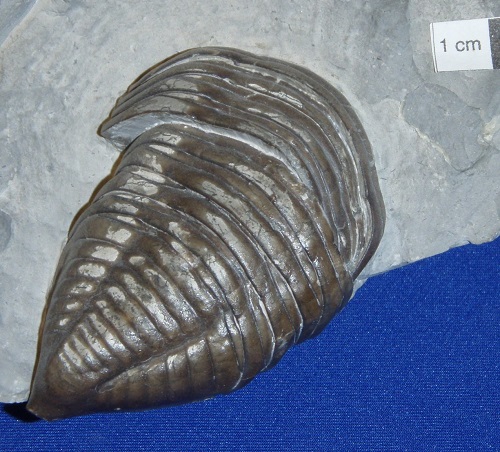
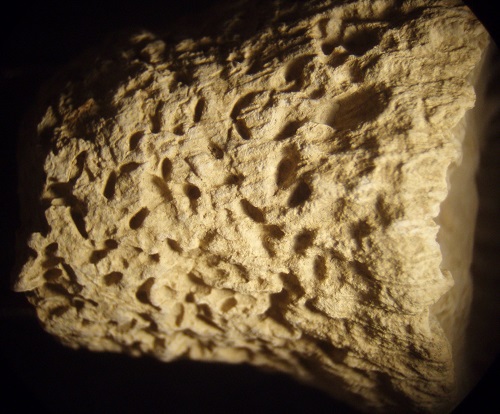
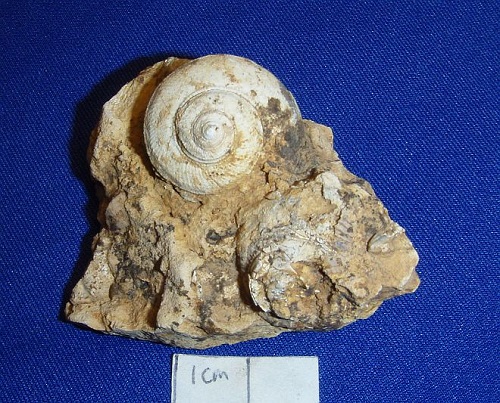
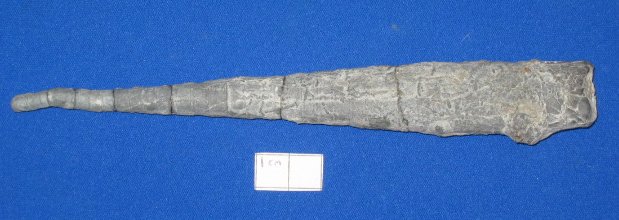
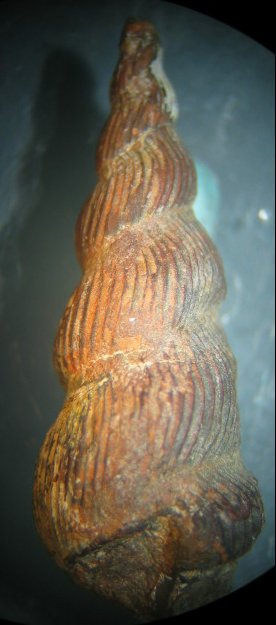
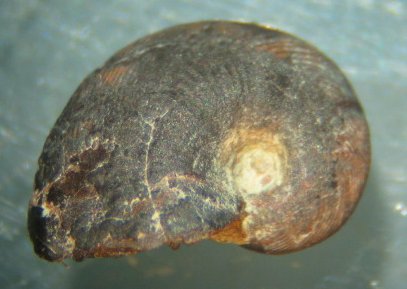
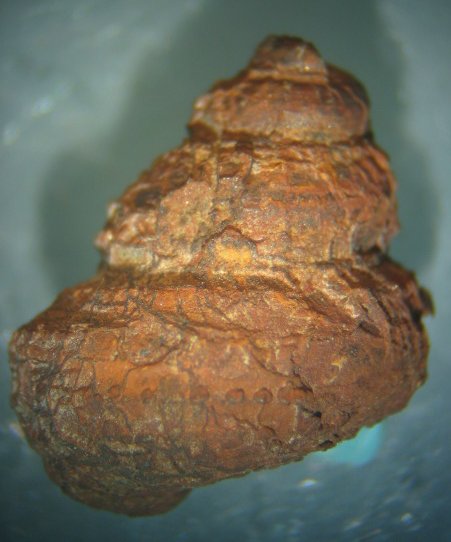
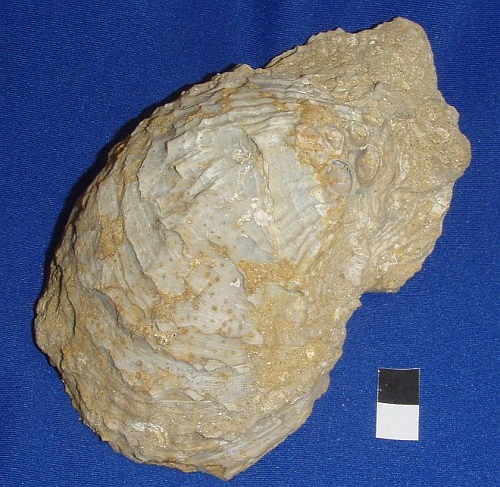
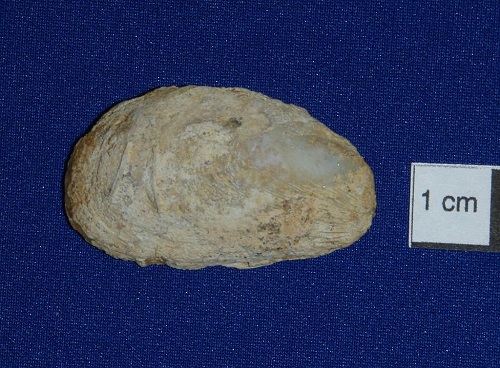
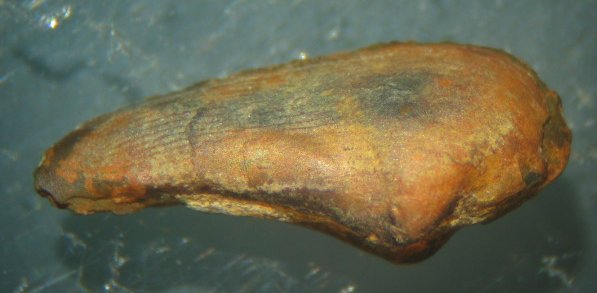
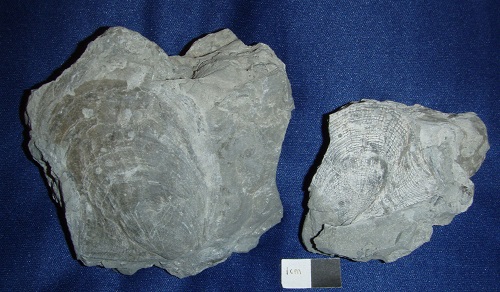
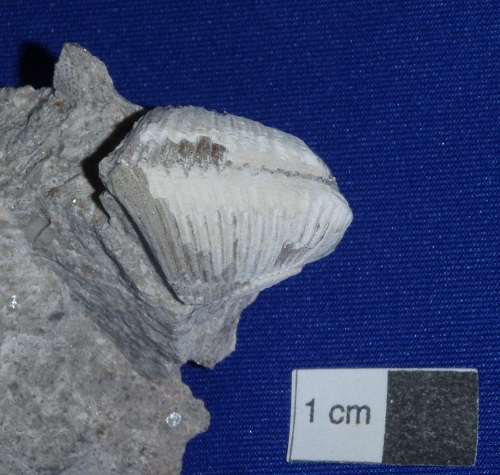
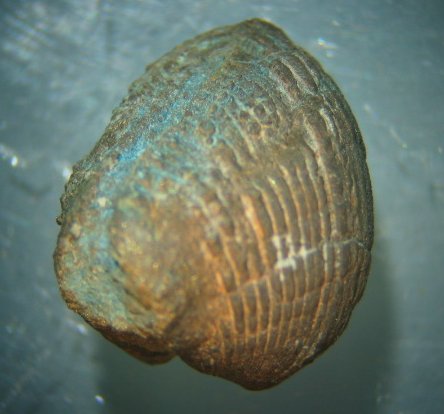
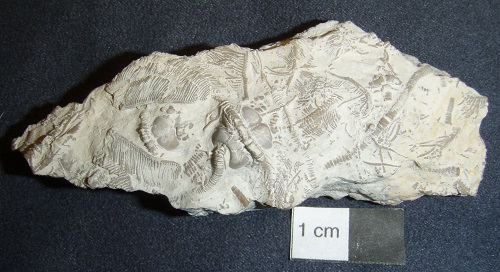
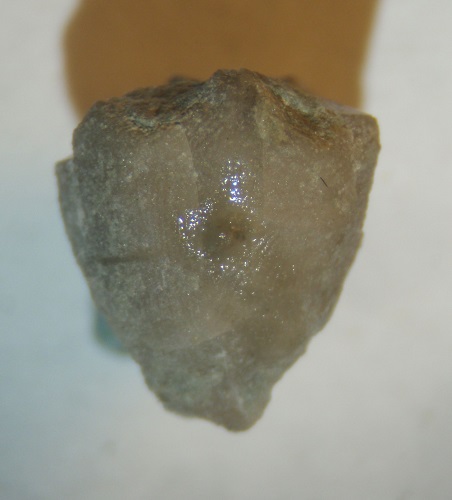
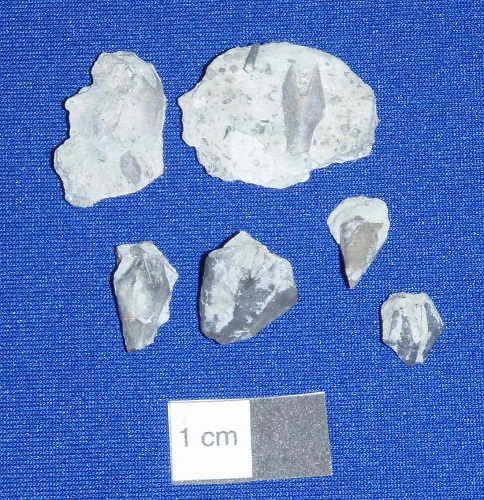
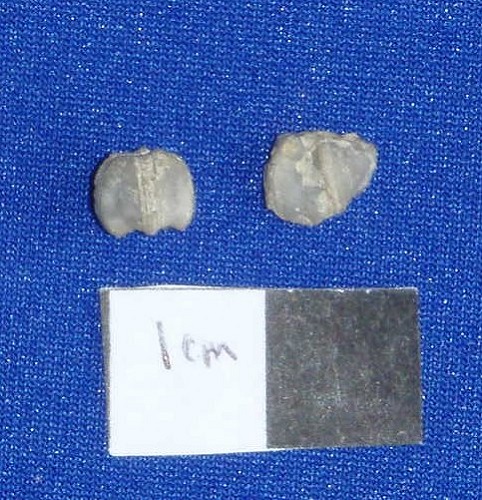
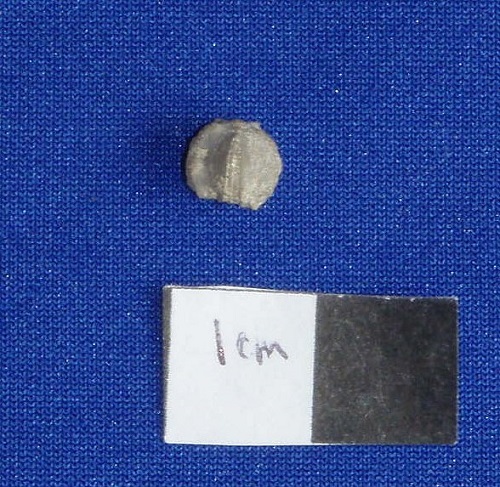
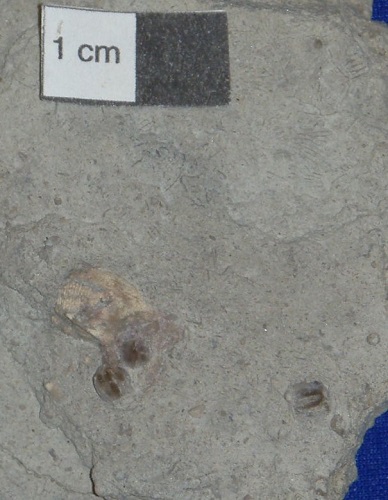
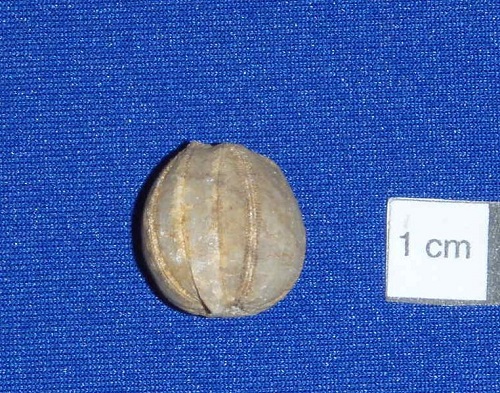
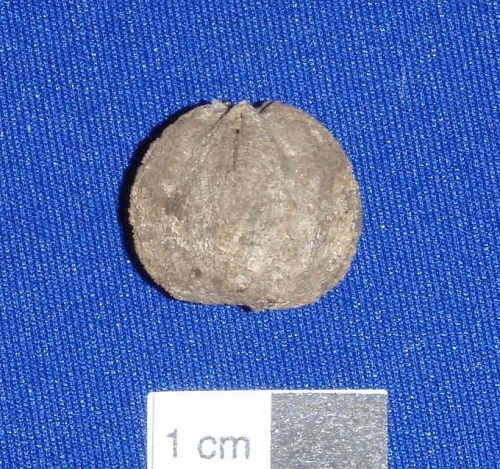
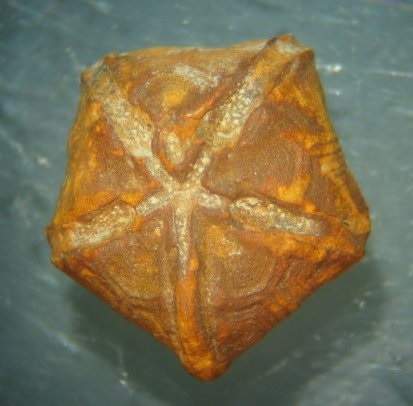
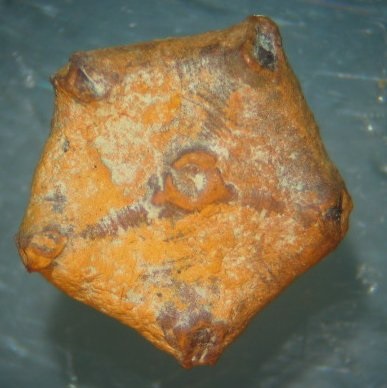
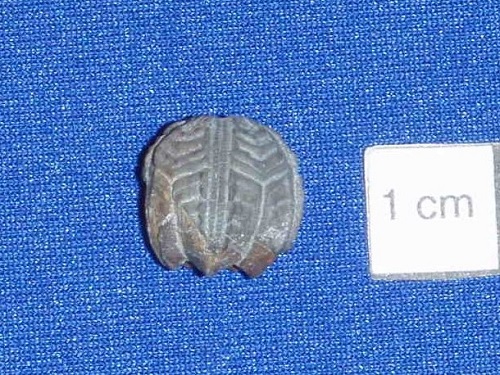
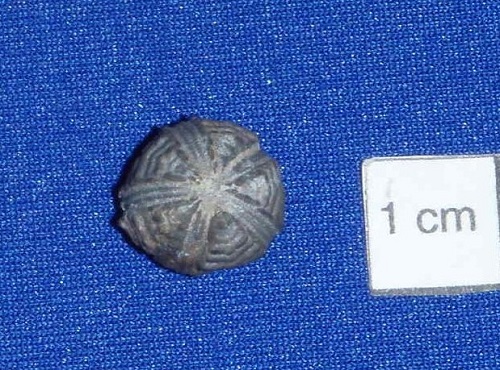
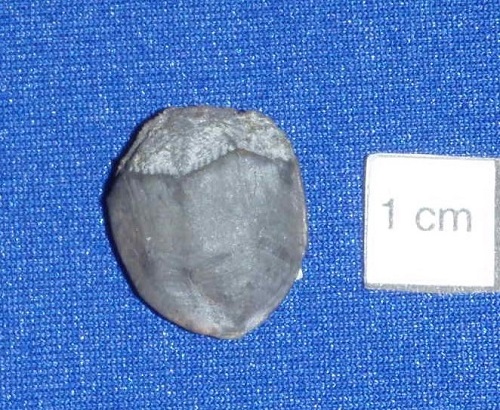
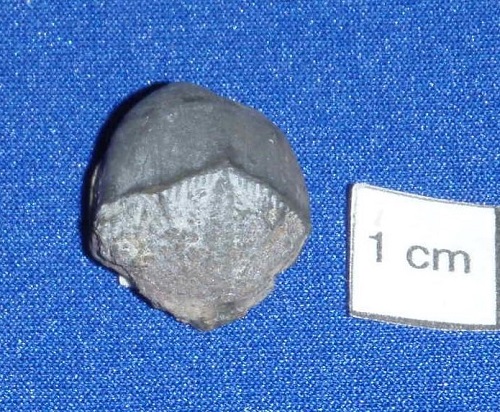
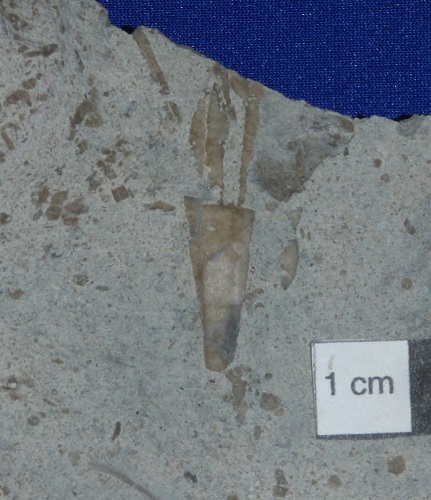
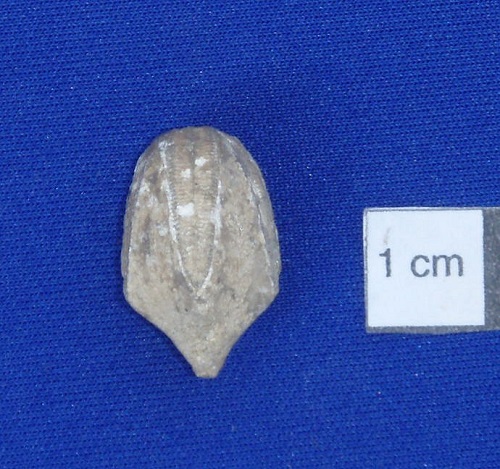
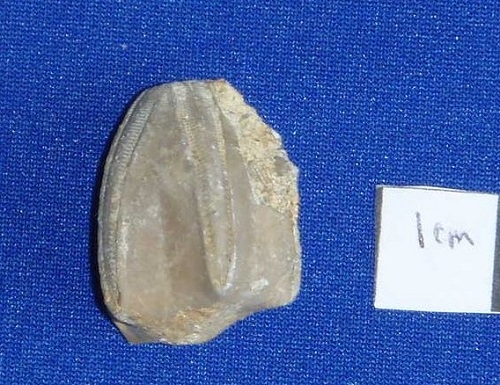
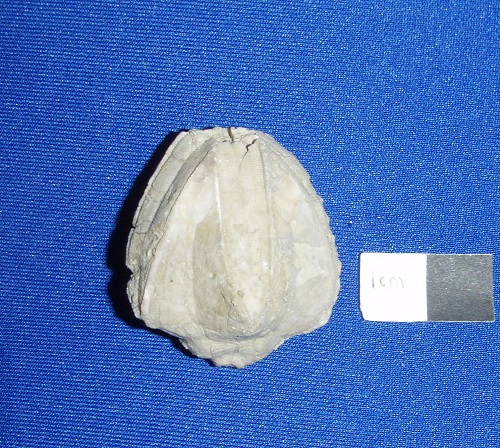
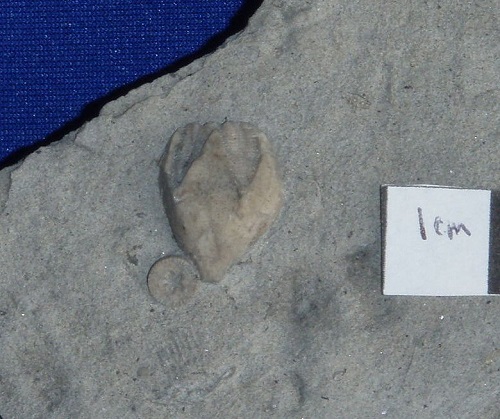
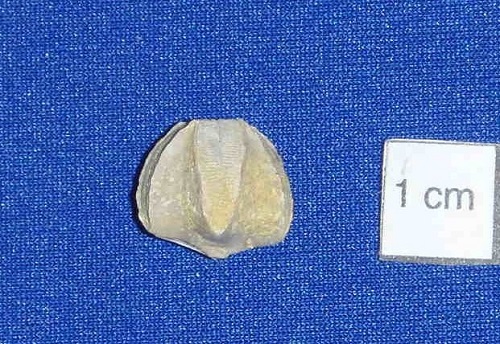
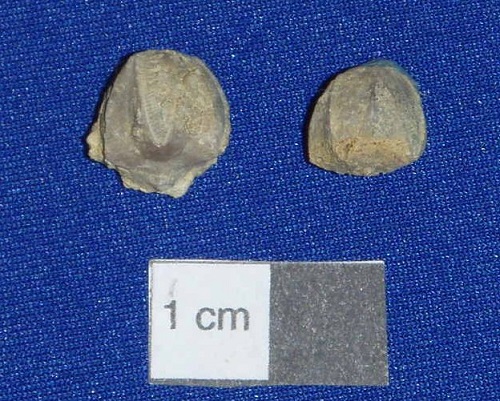
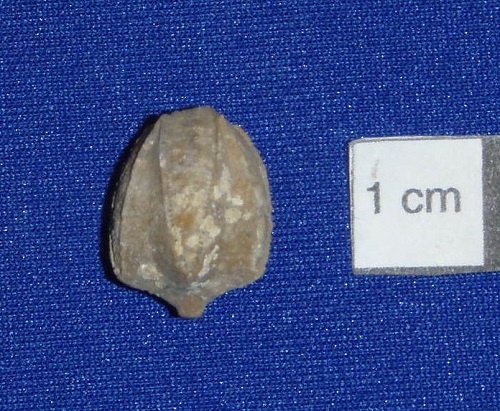
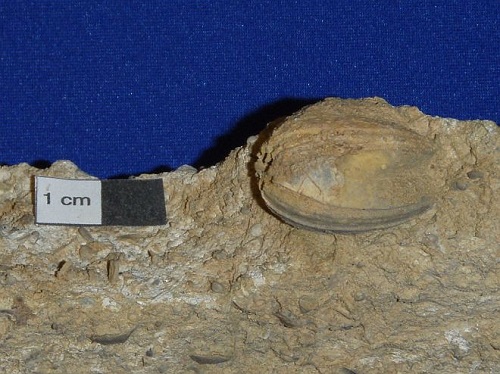
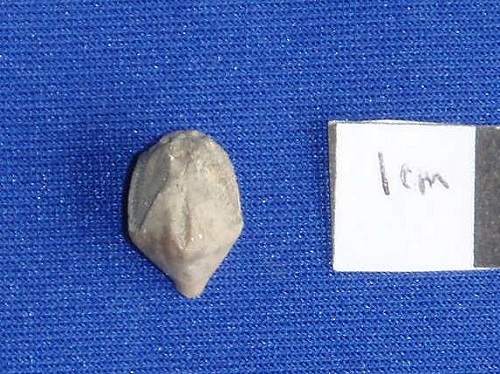
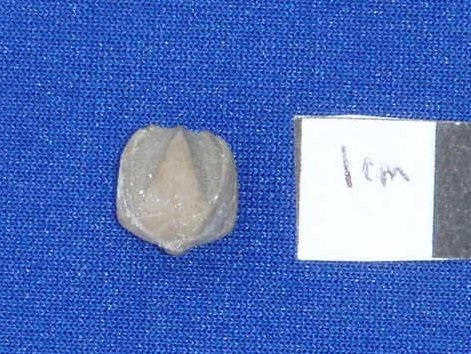
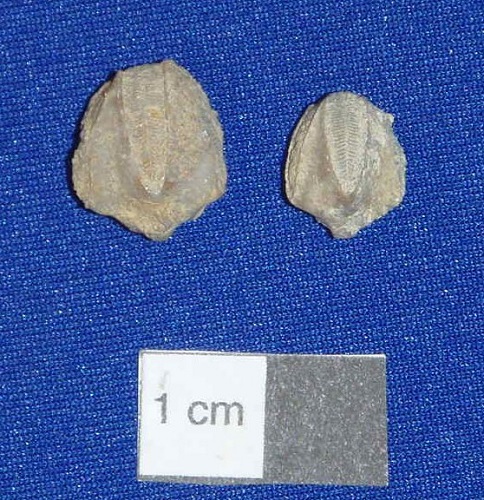
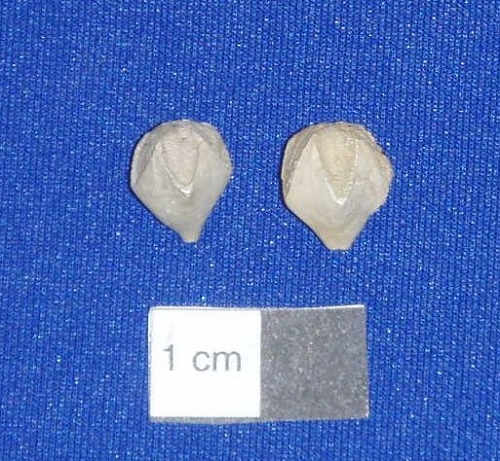
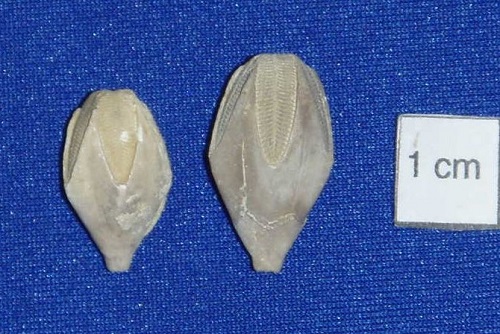
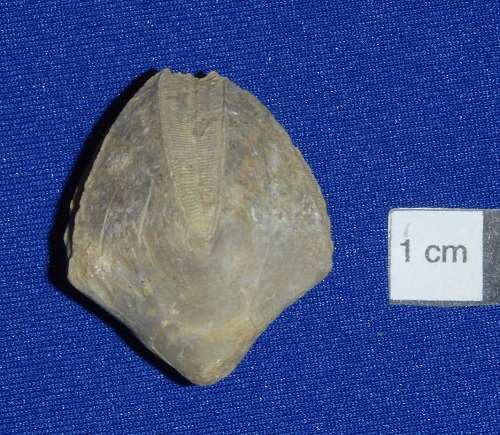
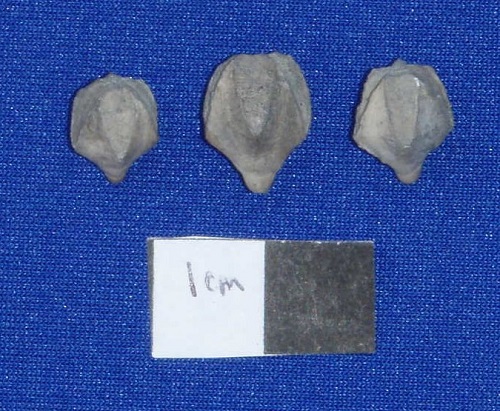
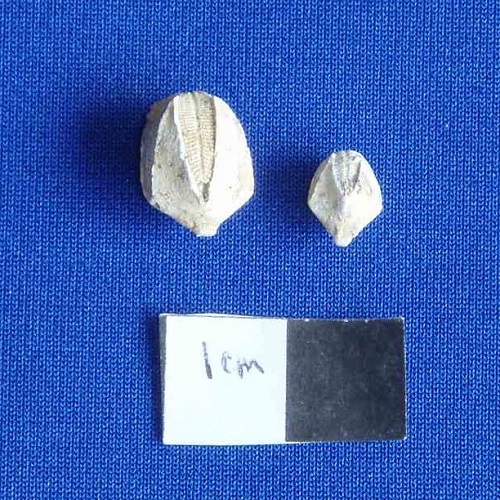
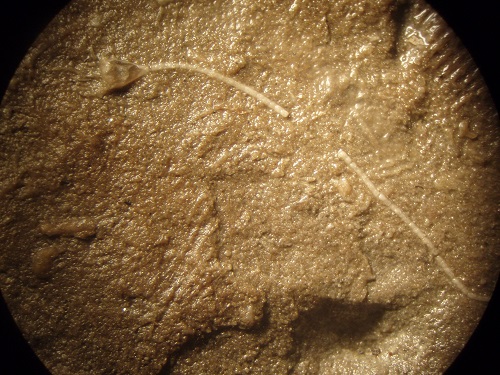
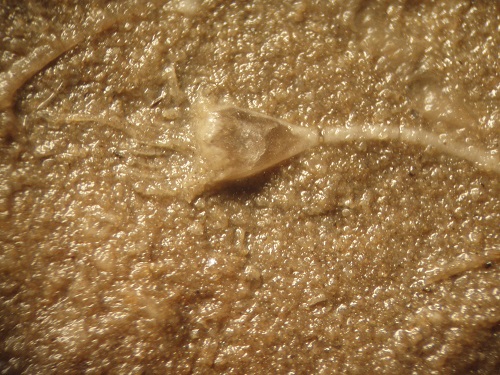
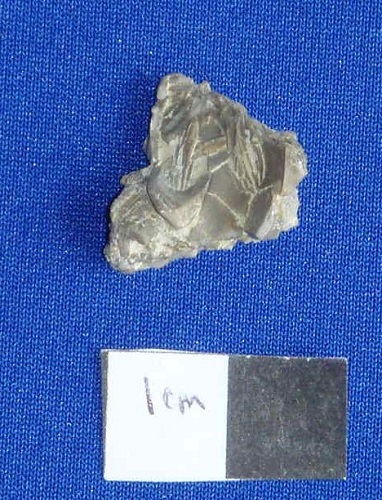
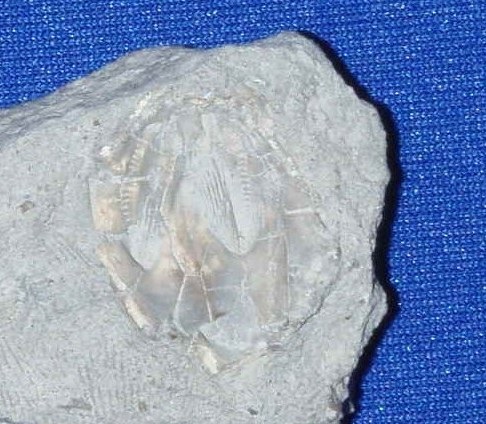
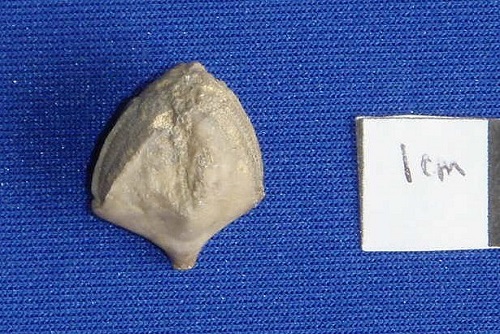
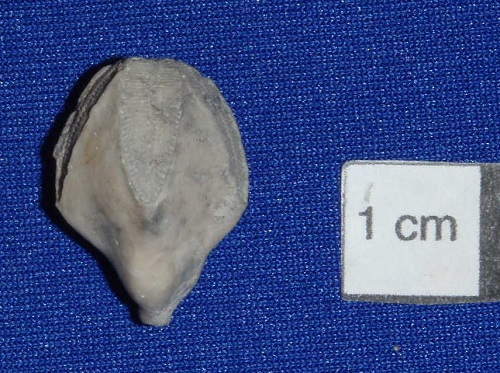
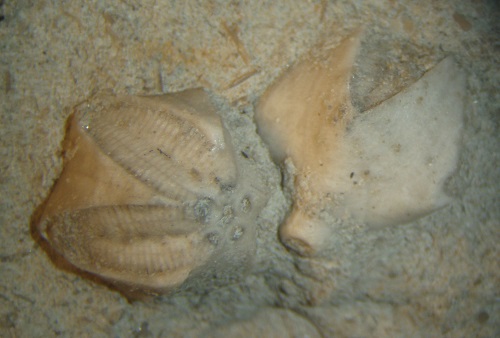
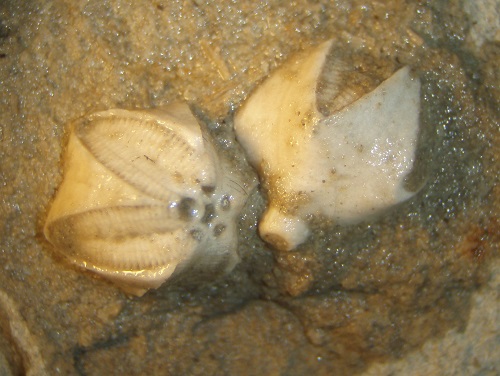
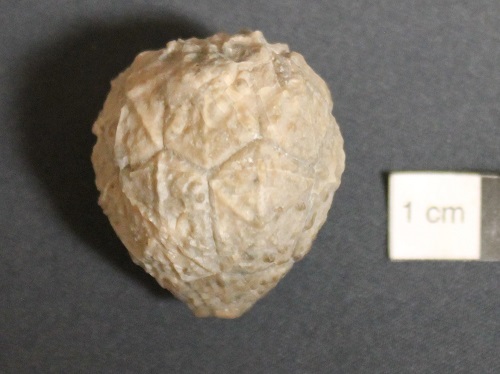
These are photographs representing many of the species I have collected over the years. I have 629 species, 373 genera of brachiopods in my collection.

These are photographs representing many of the species I have collected over the years. I have 629 species, 373 genera of brachiopods in my collection.

These pages illustrate a lot of different kinds of fossils. Within 60 minutes of the Louisville, Kentucky, area, geological time periods represented include: Upper Ordovician, Silurian, Middle – Upper Devonian, and Mississippian (Lower Carboniferous). The Pennsylvanian (Upper Carboniferous) is a bit beyond. The Pleistocene is represented by sand & gravel, loess and cave deposits.
Consider all guides to be “works in-progress. Images and information will be added.
Misc. Fossils (Plants, wor犀利士 ms, microfossils, problematic, vertebrates)
Waldron Shale Fauna

I’ve collected or traded for a lot of miscellaneous fossils that aren’t diverse enough to list by category. These include fossil plants, vertebrates (mostly fish bone pieces from local bone beds), worms, graptolites, and problematic fossils that may belong to other phyla but are odd examples.

Preservation Key : C = Calcified, Ph = Phosphatic, P = Pyritized, S = Silicified, 1= w/o, matrix, 2 = w/
matrix
PLANTS Period or Epoch Location Preservation
Beckerosperma ovalicarpa (seed) Oligocene Oregon C,2
Callixylon newberryi ^ (wood) Middle Devonian IN S,1
^ (Almost the oldest petrified wood in the world)
Cederella merrilli (seed) Oligocene Oregon C,2
Various leaves Oligocene Oregon C,2
Various leaves Eoocene Colorado C,2
Malachite-coated lycopods Pennsylvanian Oklahoma M,2
Prismostyus sp. (Rhodophyte algae) Upper Ordovician KY C,1
Unidentified rhodophyte algae Middle Mississippian KY Carbonized, 2
PROBLEMATICA Period Location Preservation
Conularia sp. (Cnidarid) Upper Mississippian IN Ph,2 (partials)
Paraconularia sp. (Cnidarid) Middle Mississippian KY Ph,1,2
Sphenothallus sp. (Tube worm?) Upper Ordovician KY Carbonized, 2
WORMS Period Location Preservation
Cornulites flexuosus Upper Ordovician KY C,2
Cornulites proprius Middle Silurian IN C,1,2
Gitonia coralophila Middle Devonian IN S,1 (in horn coral)
Palaeoconchus annulatus Middle Mississippian IN,KY C,2
Palaeoconchus nodulatus ” ” IN,KY C,2
Preservation: C = Calcified, Ph = Phosphatic, P = Pyritized, S = Silicified, 1= w/o, matrix, 2 = w/ matrix
VERTEBRATES Period Location Preservation
Bone bed fish teeth & scales Middle Devonian IN Ph,2
Goniopholis sp. (crocodile tooth) Jurassic Wyoming Ph,2
Odontaspis sp. (shark tooth) Miocene Manoc, Portugal Ph,1
Orododus simplex Middle Mississippian KY Ph,2
Shark teeth Cretaceous MS Ph,1
Shark vertebrae Cretaceous Texas Ph,1
MISCELLANEOUS
Colelous tenuicinctum Middle Devonian IN S,C,2
Dictyonema sp. (graptolite) Middle Silurian IN Carbonized, 2
Geniculograptus typicallus Upper Ordovician KY Carbonized, 2
Tentaculites attentuatus Middle Devonian ONT C,1,2
Tentaculites richmondensis Upper Ordovician IN,KY C,2
Tentaculites scalariformis Middle Devonian IN C,2
Assorted Insects Eocene (Green River) CO Carbonized, 2
Preservation Key: C = Calcified, Ph = Phosphatic, P = Pyritized, S = Silicified, 1= w/o, matrix, 2 = w/ matrix
MICROFOSSIL COLLECTIONS
Salem Limestone – Forams, Ostracods, Sponge spicules, Holothuroid sclerites, Brachiopods, Gastropods, Clams, Echinoid spines, Bryozoans, Blastoids, Crinoid stems, Worms, etc. Indiana C,1 (shipped in zip-sealed bag)
Coon Creek marl – mollusk-rich Union Co., Mississippi C,1 (shipped in zip-sealed bag)
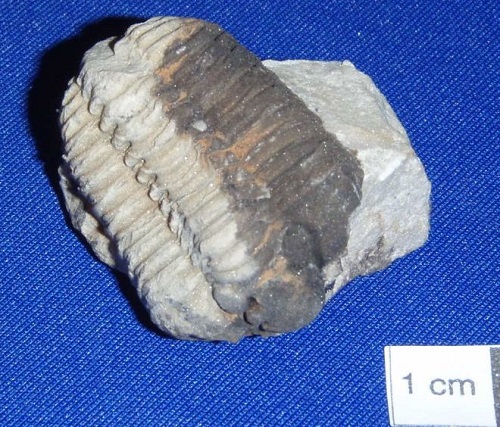
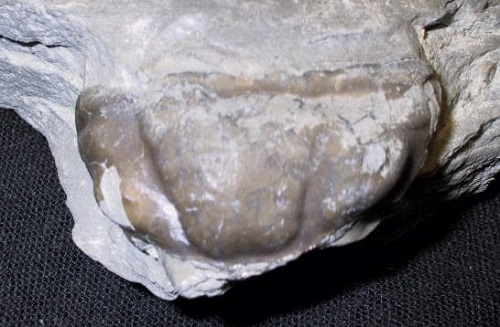
Trilobites and crustaceans are arthropods, the group that includes arachnids, horseshoe crabs, millipedes, and the like. Arthropods molt as they grow. The result is common fragments and rarer complete animals. (Updated Feb. 10, 2022)

TRILOBITES Period Location Preservation
p = pygidium, t = thorax, c = cephalon
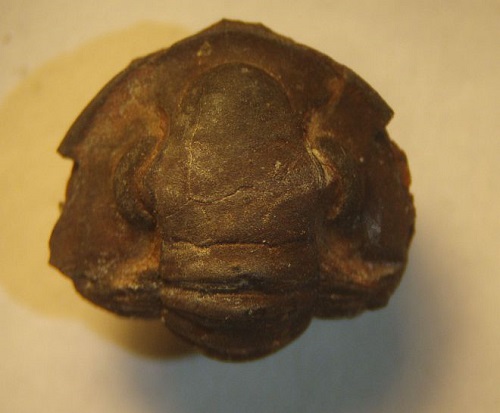
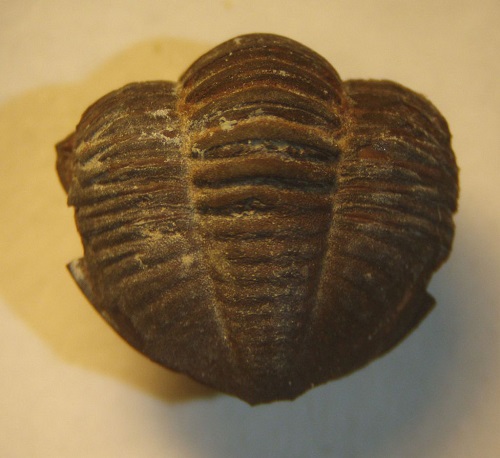
Arctinurus occidentalis (Hall) – Waldron Shale, Middle Silurian, Clark Co., IN – C,2

Bumastus sp. – Laurel Formation, Middle Silurian, Bardstown, Nelson Co., KY – C,2

Calymene breviceps Hall – Waldron Shale, Middle Silurian, Clark Co., IN – C,2

Cheirurus dilatatus Raymond – Waldron Shale, Middle Silurian, Clark Co., IN – C,2


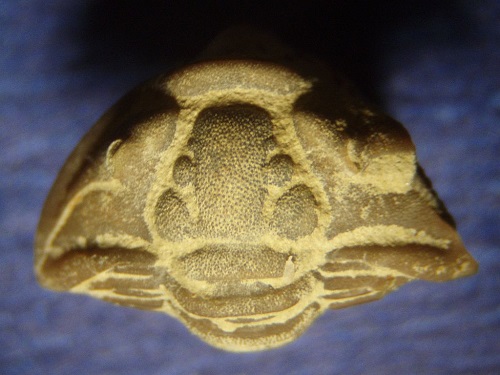
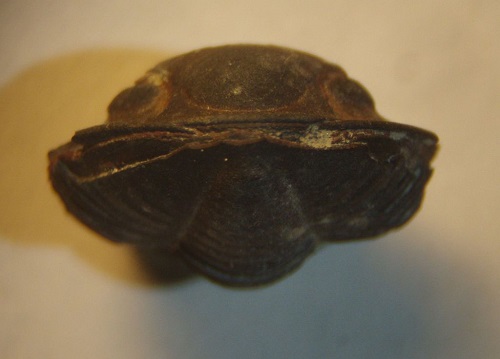
Cryptolithus bellulus Ulrich – a blind trilobite from the Kope Formation, Upper Ordovician, Carrol Co., KY – C,1,2

Eldridgeops sp. (was Phacops) – Sellersburg Limestone, Givetian, Middle Devonian, Clark Co., IN – S,1,2


Flexicalymene granulosa Foerste – Kope Formation, Upper Ordovician, Carrol Co., KY – C,1,2

Glyptambon verrucosus (p,c) Middle Silurian IN C,2
Kaskia chesterensis (p) Upper Mississippian IN C,2
Litotix armatus (p,c) Middle Silurian IN C,2
Philibole conkini Hessler – Coral Ridge Member, New Providence Shale, Lowermost Middle Mississippian, Jefferson Co., KY – C,P,1,2


Sthenarocalymene celebra (Raymond) – Laurel and Louisville Limestones, Middle Silurian, Jefferson & Nelson Cos., KY – C,1,2

Trimurus delphinocephalus (Green) – Waldron Shale, Middle Silurian, Clark Co., IN – C,2


Trilobite hash: C. bellus, F. granulosa, Acidapsis, Ceraurus, Isotelus, and other fossils, Up. Ordovician, KY, C,2
CRABS / OSTRACODS
Dakoticancer australus (crab) Upper Cretaceous MS C,1
Paguristes whitteni (crab) Upper Cretaceous MS C,1
Paraparchites sp. (Ostracod) Middle Mississippian KY C,2
Unidentified ostracods Late Eocene or early Oligocene Colorado Carb,2
Trace fossils are evidence of action by living creatures. Examples include locomotion, feeding, nesting, excretions, etc. The division of paleontology that studies trace fossils is called “ichnology.”

TRACE FOSSILS Period Location Preservation
Acrothoracid barnacle holes in coral Upper Mississippian KY C,2
Bored brachiopods (Inflatia) Upper Mississippian KY C,1,2
Bored rugose corals Middle Devonian IN,KY S,1
Bored stromatoporoids ” ” IN,KY S,1
Catellocaulis vellata Upper Ordovician KY C,1 (in bryozoan)
Chondrites sp. ” ” KY C,1
Fish coprolite Cretaceous British Columbia C,2
Sanctum laurentiensis Upper Ordovician KY C,1 (in bryozoan)
Scalarituba missouriensis Middle Mississippian KY P,1 (3-D)
Unidentified 3-D tubular struct. Middle Devonian IN S,1
Various feeding traces Middle Mississippian KY P,1 (3-D)
Various traces Upper Ordovician KY C,2
Various traces Upper Mississippian KY C,2
Mollusks are the most abundant “shell” on a beach or riverbank. Modern cephalopods include squid, octopus and nautiloids. They are (and have always been) strictly marine. Gastropods (snails) live in the greatest diversity of ecosystems – marine, fresh & brackish water and on land. Clams are similar except for land. Monoplacophorans & scaphopods are exclusively marine. Rostroconchs are the only extinct class of mollusks.

Preservation: C = Calcified, Ph = Phosphatic, P = Pyritized, S = Silicified, 1= w/o, matrix, 2 = w/ matrix
CEPHALOPODS Period Location Preservation
NAUTILOIDS
Dawsonoceras amycus Middle Silurian IN C,2

Michelinoceras sp. – Coral Ridge Member, New Providence Shale, basal Middle Mississippian, Jefferson Co., KY – P,1
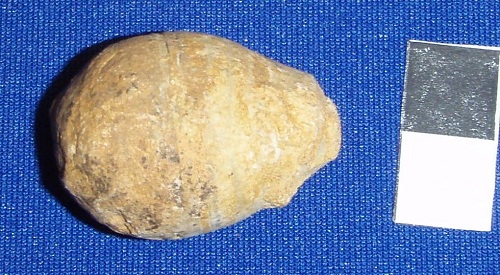
Ovoceras oviforme (or Acleistoceras?) – Sellersburg = North Vernon Limestone, Clark Co., Indiana – S,1

Treptoceras duseri (Hall & Whitfield) – Ubiquitous in the Upper Ordovician of the Tri-state area (IN, KY, OH), C,1,2
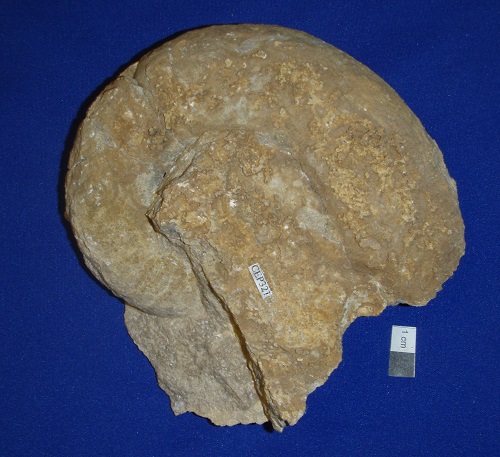
To be determined – large Devonian coiled nautiloid. Extremely rare, this specimen was found at the Speed Quarry in the Jeffersonville Limestone, Middle Devonian.

GONIATITES
Cantabricanites greenei (Miller) – Coral Ridge Member, New Providence Shale, basal Middle Mississippian, Jefferson Co., KY – P,1

Polaricyclus ballardensis (Work & Mason) – Coral Ridge Member, New Providence Shale, basal Middle Mississippian, Jefferson Co., KY – P,1
Polaricyclus conkini (Work & Mason) – Coral Ridge Member, New Providence Shale, basal Middle Mississippian, Jefferson Co., KY – P,1
AMMONITES & BELEMNITES
Actinocamex verus (1) Cretaceous United Kingdom C,1
Baculites sp. Cretaceous Texas C,1
Belemitella americanus Jurassic Wyoming C,1
Hastites sp. (baculites) Lias, Early Jurassic Portugal C,1
Hildoceras bifrons ” ” ” Portugal C,1
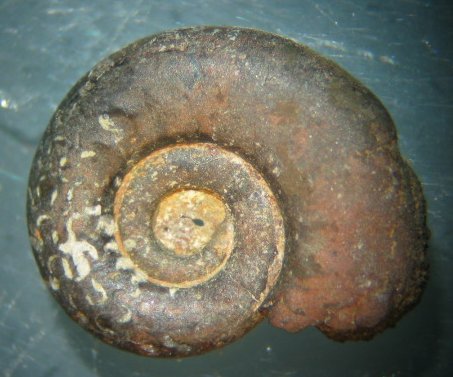
Unidentified ” ” ” Portugal P,1
GASTROPODS/MONOPLACOPHORANS Period Location Preservation
Bellerophon gibsoni Middle Mississippian KY C,1
Bembexia sulcomarginata Middle Devonian IN S,1,2
Cyclonema sp. Upper Ordovician IN, KY C,1,2
Crytolites carinatus (Monoplacophoran) Upper Ordovician KY C,1
Glabrocingulum ellenae (Conkin), Coral Ridge Member, New Providence Shale, basal Middle Mississippian, Jefferson Co., KY – P,1 (type locality)

Globularia umbilica Upper Cretaceous MS C,1
Liospira macula Upper Ordovician KY C,1,2
Lophospira medialis Middle Ordovician KY S1,2
Lophospira biseriatus? Upper Ordovician KY C,1,2
Loxonema sp. Middle Ordovician KY S,1,2
Loxonema sp. – Coral Ridge Member, New Providence Shale, basal Middle Mississippian, Jefferson Co., KY – P,1

Paupospira bowdeni Upper Ordovician KY C,1,2
Natica tigra (1) Miocene Poland C,1
Naticonema lineata Middle Devonian IN C,1
Platyceras (Orthonychia) acutirostre Middle Mississippian KY C,1,2
Platyceras spp. Middle Devonian IN,KY C,2 (variable avail.)
Platyceras (Platystoma) niagarense Middle Silurian IN C,1,2
Pleurotomaria sp. Kimmerdgian, Late Jurassic Portugal C,1
Sinuitina annaea (Conkin) – Monoplacophoran – Coral Ridge Member, New Providence Shale, basal Middle Mississippian, Jefferson Co., KY – P,1 (type locality)

Sinuites cancellatus (Monoplacophoran) Upper Ordovician KY C,1,2
Sphenosphaera troosti Middle Ordovician KY S,1,2
Strophostylus cyclostomus Middle Silurian IN C,1,2
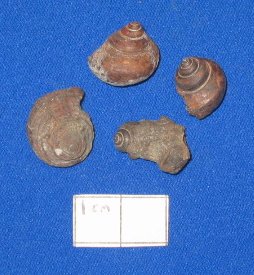
Trepispira sp. – Coral Ridge Member, New Providence Shale, basal Middle Mississippian, Jefferson Co., KY – P,1

Turbonopsis shumardi Middle Devonian IN C,1,2 & impressions in stroms
Turretilla mcnairyensis Upper Cretaceous MS C,1
BIVALVES (CLAMS) Period Location Preservation
Ambonychia spp. Upper Ordovician IN, KY C,1,2
Anomia argenta Upper Cretaceous MS C,1
Caritodens demissa Upper Ordovician IN, KY C,2
Crassatella vadosus Upper Cretaceous MS C,1
Ctenodonta sp. – Coral Ridge Member, New Providence Shale, basal Middle Mississippian, Jefferson Co., KY – P,1
Cycloconcha milleri Upper Ordovician IN C,2
Cypricardinia arata Middle Silurian IN C,2
Deceptrix filistriata Upper Ordovician KY C,1,2
Deceptrix cf. D. hartsvillensis Middle Ordovician KY S,1,2
Exogyra costata (Say) – Coon Creek Mbr., Ripley Formation, Upper Cretaceous, Union Co., Mississippi – C,1

Limopsis meeki ” ” MS C,1
Limoptera cancellata Middle Devonian IN S,1,2
Lyrodesma conradi Upper Ordovician KY C,1,2
Modiolopsis sp. ” ” IN, KY C,2
Modiomorphia concentrica (Conrad), Sellersburg Limestone, Givetian, Middle Devonian, Clark Co., IN -S,2

Myalina sp. Middle & Upper Mississippian IN, KY C,S,2
Myaina subquadrata Pennsylvanian Kansas C,1
Nucula percrassa Upper Cretaceous MS C,1
Nuculana australis ” ” MS C,1
Nuculana whitfieldi ” ” MS C,1
Nuculopsis sp. – Coral Ridge Member, New Providence Shale, basal Middle Mississippian, Jefferson Co., KY – P,1
Paracyclas elliptica (ohiense) Middle Devonian IN, KY C,S,1,2
Paracyclas liriata (rugosa) ” ” IN, KY S,1
Pecten sp. Miocene Oregon C,2
Phestia sp. – Coral Ridge Member, New Providence Shale, basal Middle Mississippian, Jefferson Co., KY – P,1

Pterinea brisa Hall – Waldron Shale, Middle Silurian, Clark Co., IN – C,2

Toredo rectus Upper Cretaceous MS C,1
Vanuxemia gibbosa Middle Ordovician KY S,1,2
Internal casts Middle Devonian IN C,1
Mother of Pearl fragments Upper Cretaceous MS C,1
ROSTROCONCHS & SCAPHOPODS
Dentalium inornatum Upper Cretaceous MS C,1
Dentalium ripleyanum ” ” MS C,1
Hippocardia cuneus (Conrad) – Jeffersonville Limestone, Middle Devonian, Clark Co., IN, Jefferson Co., KY – C,1,2

Pseuomulceodens cancellatum (Hyde) – Coral Ridge Member, New Providence Shale, basal Middle Mississippian, Jefferson Co., KY – P,1

Echinoderms are a phylum of marine animals that include sea stars, urchins, sand dollars, and the like. They are an ancient group going back to the Cambrian if not the Ediacaran. A number of classes existed for a short geological interval before going extinct. The most common echinoderm fossils in my region are crinoids and blastoids.
I’ve been involved in research in Middle Mississippian crinoids with Dr. William Ausich and Dr. Thomas Kammer. I will eventually post that research and photos of specimens. Most of the important ones were donated to the Smithsonian (U.S. National Museum) and the Orton Geological Museum at The Ohio State University.

ECHINODERMS
Preservation Key: C = Calcified, Ph = Phosphatic, P = Pyritized, S = Silicified, 1= w/o, matrix, 2 = w/ matrix
# Not available for sale, just for identification
BLASTOIDS & CORONOID

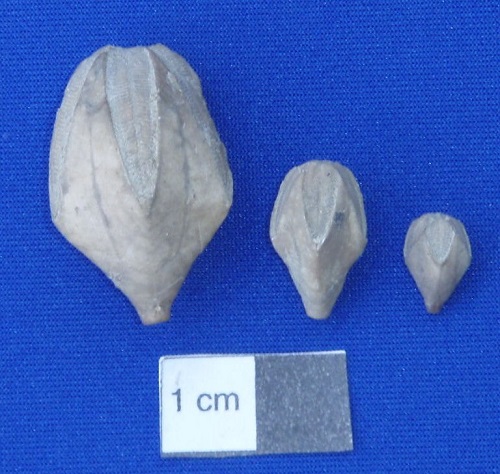
Cuplocorona gemmiformis (Hall)# – formerly Stephanocrinus gemmiformis, from the Waldron Shale, Middle Silurian, Clark Co., IN – C,1,2
(Coronoid echinoderm)

Decaschisma pentalobus (Hall)# – an uncommon Waldron Shale blastoid, most common in Shelby Co., Indiana.

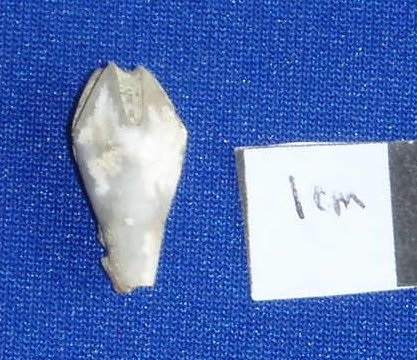
Diploblastus glaber (Meek & Worthen)# – is a tiny blastoid, rare but often found in groups. Upper Mississippian, IL,IN,KY – C,1


Diploblastus incurvatus Weller# – pretty rare, Upper Mississippian, IL,IN,KY – C,1


Elaeacrinus verneuili from the Cedar Valley (Callaway) Limestone in central Missouri are usually in matrix.
Elaeacrinus verneuili (Roemer) – Jeffersonville Limestone Middle Devonian IN, MO C,S,1,2

Elaeacrinus sp.# – Beechwood Limestone, Givetian, Middle Devonian, IN – S,1


Euryocrinus veryi Ausich & Meyer # – from the pyritized Coral Ridge fauna, basal New Providence Shale, considered early or mid-Mississippian depending on reference. KY, IN? – Goethite,1


Granatocrinus kentuckyensis (Conkin)# – from the pyritized Coral Ridge fauna, basal New Providence Shale, considered early or mid-Mississippian depending on reference. KY, IN? – P,1


Hadroblastus sp., [H. kentuckyensis (Shumard)?] – same data as Granatocrinus kentuckyensis, though extremely rare instead of very rare. KY, IN? – P,1 Coral Ridge fauna article will be posted under articles… eventually.

Metablastus sp. # – rare, Middle Mississippian, KY – C,2
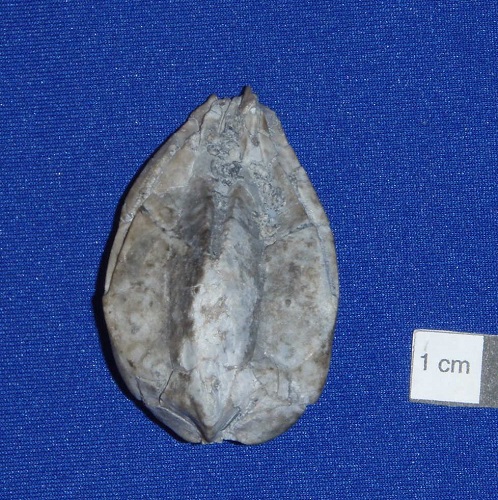
Pentremites is restricted to the Mississippian Period, primarily in North America. There are dozens of names in Galloway & Kaska’s monograph Genus Pentremites and its Species (1957). However, Dr. Alan Horowitz considered them to be overly split and that most were variations on a hand full of species.

Pentremites buttsi Ulrich?# – rare, Indian Springs Shale Mbr., Big Clifty Fm., Upper Mississippian, Crawford Co., Indiana.

Pentremites conoideus Hall – Salem Ls., Middle Mississippian, IN,KY – C,1,2

Pentremites fohsi Ulrich – Glen Dean Fm., Upper Mississippian, Grayson Co., Kentucky – C,1

Pentremites girtyi Ulrich – Upper Mississippian formations, IN,KY – C,1,2

Pentremites godoni (Defrance) – Upper Mississippian formations, IL,KY – C,S,1,2 This species has been further sub-divided. Two examples below.


Pentremites ovoides Ulrich# – Ste. Genevieve Ls., Mississippian, Hastie’s Quarry, Cave in Rock, Illinois. Collected ~1987, at the Oxford-West Morrison cut that no longer exists.

Pentremites patei Ulrich# – Indian Springs Shale Mbr., Big Clifty Fm., Upper Mississippian, Crawford Co., Indiana.

Pentremites platybasis Weller# – Indian Springs Shale Mbr., Big Clifty Fm., Upper Mississippian, Crawford Co., Indiana

Pentremites pulchellus Ulrich# – Renault Fm., Upper Mississippian, Shetlerville, Illinois

Pentremites pyramidatus Ulrich# – Renault Fm., Upper Mississippian, Shetlerville, Illinois

Pentremites pyriformis Say – Upper Mississippian formations, IN,KY – C,1,2

Pentremites robustus Lyon# – Glen Dean Fm?, Upper Mississippian, Madison Co., Kentucky

Pentremites springeri Ulrich# – Indian Springs Shale Mbr., Big Clifty Fm., Upper Mississippian, Crawford Co., Indiana IN,KY

Pentremites symmetricus Hall – Upper Mississippian formations, IL, IN, KY – C,S,1,2

Pentremites welleri Ulrich – Indian Springs Shale Mbr., Big Clifty Fm., Upper Mississippian, Crawford Co., Indiana
Pentremites growth series available

Tricoelocrinus woodmani (Meek & Worthen)# – extremely rare, this specimen found on the family farm near Lanesville, Indiana, shortly before it was sold. Salem Ls. (Somerset Shale Mbr.), Middle Mississippian, IN, KY – C,1

Troosticrinus reinwardi (Troost)# – from the Waldron Shale, Middle Silurian, in Tennessee. Similar to Decaschisma.
Comments about Pentremites
It’s possible to find more than the theca (body) and other features – including brachioles (feeding “bristles”), internal hydrospire folds (part of the respiratory system), and growth defects. No specimens like these are available for sale. Here are some examples:


Perhaps the smallest complete embryonic Pentremites ever found. It will be featured in an upcoming monograph on blastoids written by the world’s experts. Found at the Sulphur exit road cut, Crawford Co., IN. Indian Springs Member of the Big Clifty Formation, Chesterian, Upper Mississippian.


The simplest technique is to get them wet. The problem is that they reflect light. Compare these Pentremites platybasis below.


CYSTOID / RHOMBIFERAN Period Location Preservation
Caryocrinus persculptis Springer from the Waldron Shale, Middle Silurian, Jeffersonville, Clark Co., Indiana. C,1,2

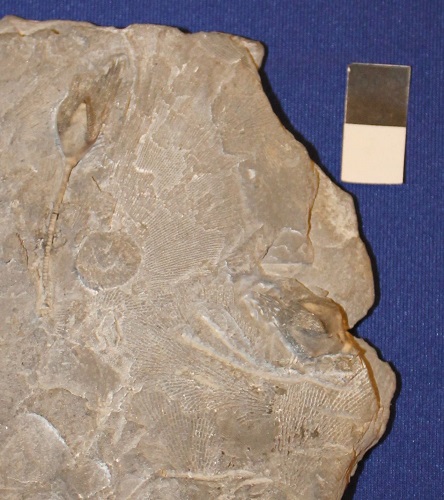
Bryozoans appear in the fossil record in the Lower Ordovician but might be found in Late Cambrian. They are colonial animals, dominantly marine. (Freshwater species have an organic skeleton that doesn’t preserve in the fossil record.) Bryozoans are difficult to identify because the internal structure is used. However, some bryozoans have distinctive exterior features.

Archimedes is the central axis of a fenestrate bryozoan. Specimens are often found in matrix.
Preservation: C = Calcified, Ph = Phosphatic, P = Pyritized, S =Silicified, 1= w/o, matrix, 2 = w/ matrix
# No specimens for sale
BRYOZOANS Period Location Preservation
Amplexopora septosa Upper Ordovician KY C,1,2

Anastomopora adnata (Hall)# – Jeffersonville Limestone, Middle Devonian, KY – C, 2
Archimedes communis Upper Mississippian KY C,1

Archimedes confertus Ulrich – Glen Dean Fm., Upper Mississippian, KY – C,1,2

Archimedes distans Ulrich – Glen Dean Fm., Upper Mississippian, KY – C,1,2

Archimedes intermedius Ulrich – Glen Dean Fm., Upper Mississippian, KY – C,1,2

Archimedes invaginatus Ulrich – Glen Dean Fm., Upper Mississippian, KY – C,1,2
Archimedes laxus ” ” KY C,1
Archimedes macfarlani ” ” KY C,1,2

Archimedes meekanoides McFarlan – Glen Dean Fm., Upper Mississippian, KY – C,1,2

Archimedes meekanus Hall – Glen Dean Fm., Upper Mississippian, KY – C,1,2

Archimedes proutanus Ulrich – Glen Dean Fm., Upper Mississippian, KY – C,1,2
Archimedes sp. ” ” IN,AL C,1,2

Aspidopora newberryi (Nicholson)# – a small encrusting species, Upper Ordovician, IN, KY – C1,2
Batostoma gracilis Upper Ordovician KY,IN C,1
Batostoma jamesi ” ” KY C,1
Batostoma varians ” ” KY,IN C,1

“Chaetetes” consimilis Hall# – current name unknown, flattened fronds. Waldron Shale, Silurian, IN – C,2

Cheilotrypa hispida Ulrich – very small branching bryozoan, Glen Dean Fm., Upper Mississippian, KY – C,1,2

Chondaulus ponderosa (Rominger) – a massive species in the Jeffersonville Ls., Middle Devonian, IN, KY – C,1,2

Constellaria florida Ulrich – with star-shaped monticules, this genus is very distinctive. Occurs most frequently in flat fronds. Six species in the Upper Ordovician, IN, KY – C,1,2

Cyphotrypa clarksvillensis McFarlan# – a massive, often hemispherical trepostome bryozoan of the Upper Ordovician, IN, KY – C,1

Cystodictya lineata Ulrich – flat fronds, Salem Limestone, Middle Mississippian, KY,IN – C,1,2

Dekayia sp. – Branching bryozoan in the Upper Ordovician, IN, KY – C,1,2
Eridotrypa macrostoma Upper Mississippian KY C,1,2 on crinoids columns
Eridotrypa sp. Middle Devonian IN C,1,2

Evactinopora radiata Meek & Worthen# – a star-shaped bryozoan from the Fern Glen Formation in Missouri, MO – C,1,2

Fenestella depressa Hall# – in the Jeffersonville Limestone, Middle Devonian. KY – S,2

Fenestella acmea Hall – the Waldron species with smaller fenestrules. Middle Silurian, IN – C1,2

Fenestella multispinosa Ulrich – Glen Dean Fm., Upper Mississippian, KY – C,1,2
Fenestella parvulipora Hall – the Waldron species with larger fenestrules. Middle Silurian, IN – C1,2

Fenestella sp. (pyrite-replaced) – from the Coral Ridge fauna, basal Borden Fm., Middle Mississippian.

Fenestella tenax Ulrich – Glen Dean Fm., Upper Mississippian, KY – C,1,2

Fistulipora concentrica Hall – flat to irregular Waldron Shale species. Can get large. Middle Silurian, IN – C,2

Fistulipora spergenensis Hall – abundant bryozoan in Salem Ls., with monticules, Middle Mississippian, IN, KY – C,1,2

Fistulipora sp. – a common genus spanning the Paleozoic. Abundant in the Upper Mississippian, AL, IN, KY – C,1,2
Fistulipora sp. Middle Devonian IN,KY C,2

Glyptopora michelinea Prout # – a rare, distinctive bryozoan that superficially resembles the tabulate coral Michelinea. IN, KY – C,1


Hederella sp. on other fossils Silurian – Mississippian in IN, KY, etc. – C,2

Heterotrypa subfrondosa Cumings – flattened fronds, large, with monticules. Numerous species of Heterotrypa in the Upper Ordovician, KY – C,1,2
Homotrypa dawsoni ” ” KY C,1
Homotrypa flabellaris ” ” KY,IN C,1

Homotrypella hospitalis (Nicholson) – massive, often hemispherical, Upper Ordovician, IN, KY – C,1

Lioclema sp. – often encrusting other fauna. Silurian – Mississippian, KY, TN – C,2
Lyroporella ovalis Upper Mississippian KY C,1

Lyroporella quincuncialis (Hall)# – fenestrate with a curving base. Upper Mississippian, AL, IN, KY – C,1,2
Monticulapora mammulata Upper Ordovician KY C,1
Meekopora exigua Upper Mississippian KY C,1


Parvohallopora oneilli (James) – common in Kope Fm., Upper Ordovician, where storm-shattered colonies are common. IN, KY – C,1,2
Parvohallopora ramosa ” ” KY,IN C,1
Parvohallopora subfrondosa ” ” KY C,1
Peronopora vera ” ” KY C,2
Polypora spp. Middle Devonian KY C,2
Polypora cestriensis Middle & Upper Mississippian KY,IN C,1,2

Polypora corticosa Ulrich – Glen Dean Fm., Upper Mississippian, KY – C,1,2

Polypora multispinosa Ulrich – Glen Dean Fm., Upper Mississippian, KY – C,1,2
Prasopora simulatrix Upper Ordovician KY C,2

Prismopora serratula Ulrich – triangular in cross-section, it’s uncommon and small. Glen Dean Fm., Upper Mississippian, KY – C,1,2
Rhopalonaria venosa? Upper Ordovician KY,IN C,2
Saffordotaxis incrassata Middle Mississippian KY C,1 (very small)

Septopora subquadrans Ulrich – easy to identify with “frowning” fenstrules. Glen Dean Fm., Upper Mississippian, IN, KY – C,1,2
Stromatopora sp. Upper Ordovician KY C,2
Tabulipora ramosa Ulrich Upper Mississippian IN, KY C,1,2

Trematopora sp.# – unknown if this has an updated name, Waldron Shale, Silurian, IN – C,1,2
Unidentified disks Middle Devonian IN S,1
This is the version submitted and doesn’t include their editing.
By Alan Goldstein
The night sky is riddled with galaxies – vast agglomerations of stars, dust and gas. While a few seem isolated, most are found in groups or clusters containing dozens to more than a thousand galaxies. The size of an individual galaxy varies from several million stars stretching a couple thousand light years in space to more than a trillion stars spanning several hundred thousand light years.
A lot of empty space seems to lie between galaxies, but this is deceiving. Two near equal-mass galaxies several million light years apart may be drawn together by their mutual gravitational attraction. The effect both builds and destroys galaxies. These galactic collisions can be spectacular hurling stars millions of light years into intergalactic space or they can go virtually unnoticed.
Images from the Hubble telescope’s deep survey’s show that the farther back in time (more distant) one sees, the more galactic crashes may be observed. Astronomers believe (in part from these observations) that the galaxies you can see in your telescope were made by the collision and absorption of others. Physical laws favor the bigger galaxies when they smash together. Unlike a freight train hitting a compact car where the pieces scatter from the impact, the end result between galaxies can be a celestial object of amazing beauty! M51, the Whirlpool galaxy, is a classic example (photo).

The affects of fly-bys, grazes or mergers between galaxies can make for breath-taking photography and very interesting visual observations. Watching galaxies collide is akin to seeing nature’s finest drama with a single still frame image. It would take thousands of lifetimes to see any changes between interacting galaxies. Disappointed? Don’t be – there is plenty of action “out there” and almost every combination of interaction can be observed.
“Near Misses – Near Hits?”
The gravitational influence between passing galaxies can be incredible even when they don’t appear to be in direct contact. Studies show that most galaxies are surrounded by a halo of gas and dark matter that adds to their bulk. As a result, even a “near miss” can alter the shape of one or both galaxies.
Andromeda’s M31 and M32 are the easiest pair of interacting galaxies to observe. The large spiral seems to be little affected by the proximity of dwarf elliptical M32, but in time the small galaxy will suffer. The bright compact elliptical is visible within the overall glow of the disk of M31. It is a good target for telescopes of any aperture!

NGC2207 and IC2163 is a pair of spiral galaxies in Canis Major that are passing by one another. The result is a dramatic photograph – one of the favorites from the Hubble Telescope. Visually NGC2207 appears evenly illuminated and somewhat oval, while IC2163 is an open spiral with a low surface brightness giving it a ghostly appearance in comparison. Both are bright and relatively easy in a modest scope under good skies. In larger scopes a compact nucleus is visible on IC2163.
NGC4618 is an SBc barred spiral interacting with the spiral NGC4625 in Canes Venatici. The latter appears to be a compact spiral, but in reality it has a large disk that has a very low surface brightness. The smaller galaxy turns out to be is physically larger! In his 1966 publication on peculiar galaxies, H. C. Arp noted this duo as odd because the interaction created a pair of one-armed spirals! The interaction has caused both to undergo intense star formation. Both are visible with an 8-inch scope, with NGC4618 dominating the scene.
The widely spaced double system of NGC5963 and NGC5964 are Sb spiral and SO (lenticular-type) galaxies. The latter was originally described as an elliptical galaxy with unusual gas and dust clouds. Located in Virgo, they are separated by 14’ in declination. NGC5964 appears to be relatively unfazed by the proximity of NGC5963. However the latter has open spiral arms. Both are bright and are good targets for small telescopes. The SO-galaxy is an oval glow, while the spiral is smaller because the arms have a low surface brightness and require a larger scope to be well seen.
Fly-By-Night
Galaxies that are in physical contact, but do not appear to be in head-on collisions are a category I call “fly-by-night.” These graze pass one another with the outer rims of both interacting, but the main bodies remain intact. The smallest of the pair is usually “much worse for wear.” Eventually they will merge, but at the moment both galaxies are largely intact.
NGC3226 and NGC3227 is an easy target in Leo located a degree east of Gamma Leonis. At 11.4 and 10.3 magnitude, respectively, this pair is an elliptical and spiral galaxy. Their proximity has not distorted either appreciably, though deep photos show their halo stars are affected. With NGC3227 you should notice a bright stellar nucleus. It is a Seyfert galaxy with an explosive core powered by a super-massive black hole. This pair is relatively easy in a 6” and more impressive with increased aperture.
Canes Venatici is a small constellation but is well endowed with colliding galaxies. M51 is not only the favorite of the spring sky, but probably among any observer in the northern hemisphere. Called the Whirlpool Galaxy because of its easy-to-see spiral arms, it rates as the most famous interacting galaxy pair in the sky. NGC5194 and its dusty peculiar companion NGC5195 are 8.4 and 9.6 magnitude, respectively. Visible in binoculars, a 2.4” cm optical system will show it well. In moderate scopes the sweeping spiral structure may be seen and in instruments 12” and above, it can resemble its photograph.
If not overshadowed by the Whirlpool, NGC4485-90 could be the best-known colliding in Canes Venatici. It is a pair of Magellanic-type galaxies showing the slightest hints of spiral structure in good photos. The larger system NGC4490 (recently named the “Cocoon galaxy”) has a condensed nuclear region. Like the pair of NGC4618 and 25 above, this pair also shows dramatic star forming regions – only this time it is on the facing sides of each galaxy. Both are easy targets for a small telescope and are among the easiest interacting galaxies to find – less than a degree northwest of Beta Canum Venaticorium.
Impact!
When galaxies hit hard, the result can be a real galactic mess! Spiral galaxies can become so distorted and tangled that two become one. A number of galaxies at first glance do look like one weird galaxy. The advent of HST and the super-large telescopes have sufficient resolution to bring a murky mess into sharp focus.
NGC4038 and NGC4039 – the Ringtail or Antennae galaxies – are a pair of spiral galaxies with “full contact.” The “ringtail” name comes from the shape of NGC4039 with a bright ring of stars in the outer periphery and the tail is the far-flung arms of NGC4038. The “antennae” name comes from the fact that the interaction has flung stars in a pair of slightly curved arcs many times the diameter of both galaxies into deep space. The larger NGC4039 was originally type Sb. NGC4038 is a small two-armed Sc spiral. The collision has energized star-forming nebula on the facing sides and thrown dust arcing between them. In a telescope the unusual shape is easily seem in a small telescope. Look at it carefully – what shape do you see?
NGC4676A and B – the Mice – is a pair of galaxies undergoing collision and major deformation. This is a faint target at 13th magnitude, visible in telescopes larger than 8”. “A” is an SBb-type, while “B” could be an edge spiral, but is difficult to discern even with the best images because of debris from “A” crossing its middle.
NGC5128 is another very bright, very peculiar galaxy – the merging spiral and giant elliptical galaxy. The pair has become one, but the dust of the spiral bisects the globe-shaped elliptical. Also designated radio source Centaurus A, this is probably the nearest major collision at 30 million light years distant. The dust belt bisecting what would otherwise appear to be a circular elliptical type galaxy is very dramatic.
There are many other bright colliding galaxies to be observed. A second list of ten galaxies can be found on Astronomy.com. Get out and enjoy the universe’s demolition derby and enjoy the spectacle unfold in the slowest of slow motions.
Data for Selected Targets
Name Coordinates (for brightest) Mag.Vis. Size (minutes arc)
M31/M32 00h 42.7m +41o 16’ 3.4/8.1 185’x75’ / 11’x7.3’
NGC2207-IC2163 06 16.4 -21 22’ 10.8/10.9 4.8×2.3 / 3.0×1.2
NGC3226-7 10 23.5 +19 52 11.4/10.3 2.5×2.4 / 6.9×5.4
NGC4038-9 12 01.9 -18 53 10.5/10.3 5.4×3.9 / 5.4×2.5
NGC4618-25 12 41.3 &n犀利士 bsp; +41 09 10.8/12.3 4.1×3.2 / 1.4×1.3
NGC4485-90 12 30.6 +41 38 9.8/11.9 6.4×3.3 / 2.7×2.3
NGC4676 12 46.2 +30 44 13.0/13.2 2.0×0.3 / 1.7×0.7
M51 (NGC5194-5) 13 29.9 +47 12 8.4/9.6 8.2×6.9 / 6.4×4.6
NGC5128 13 25.5 -43 01 6.7 31.0×23.0
NGC5363-4 13 56.1 +05 15 10.1/10.5 5.0×3.2 / 6.6×5.1
Added for their consideration for the magazine’s website:
Name Coordinates (brightest) Mag.Vis. Size (minutes arc) Type
NGC750-1 01h 57.5m +33 o 13 11.9/12.8 1.7×1.3 / 1.4×1.4 Ep/Ep
NGC770-2 01 59.3 +19 01 10.3/12.9 7.3×4.6 / 1.0×0.7 Sb/dE3
NGC1510-12 04 03.9 -43 21 12.4/10.2 2.3×1.1 / 8.3×3.6 SO?/SBa
NGC1531-2 04 12.1 -32 52 12.1/9.9 11.2×3.2/ Sbp/SOp
NGC3395-6 10 49.8 +32 59 12.1/12.1 1.6×0.9 / 3.4×1.3 S(B)cdp/IBmp
NGC4435-8 12 27.8 +13 01 10.8/10.2 3.2×2.0 / 8.9×3.6 SBO/SO/ap
NGC4567-8 12 36.6 +11 14 11.3/10.8 2.7×2.3 / 4.7×2.2 Sbc/Sbc
NGC4627-31 12 42.1 +32 32 9.2/12.7 2.1×1.6 / 15.5×3.3 dE4p/Sc
NGC5963-5 15 34.0 +56 42 12.5/11.7 3.7×2.8 / 5.5×0.9 Sp/Sb
NGC6962-4 20h 47.3 +00 19 12.1/13.0 2.7×2.1 / 1.6×1.1 S(B)a/SOp
By Alan Goldstein
Although the mines of the Illinois-Kentucky fluorite district are no longer active, the thrill of discovery is still possible. The discovery described in this article was made in early May at the Hastie’s Mining Co. quarry near Cave in Rock. I have visited this site more times than I can count while leading university geology department trips and during the preparation of my major article on the district (Goldstein, 1997).
Geophysics professor Hal Noltimier of The Ohio State University arranged this particular trip. His objective was to obtain specimens of minerals and ores for the geology department’s collections, as part of his current personal mission to gather ore samples from mines around the world to enhance their teaching collections. We planned to go to specific places on the Hastie’s property as well as several other mine dumps to obtain samples.
In addition to Hal and his girlfriend, I invited geologist and friend Mark Easterbrook who traveled from the Charleston, South Carolina area to join us. Mark had collected with me in the past. Ron Stubblefield, curator of the Ben E. Clement Mineral Museum in Marion, Kentucky joined us as well. A Martin-Marietta geologist was to join us so we could check out their quarry east of the Hastie’s, but his plans fell though due to back problems.
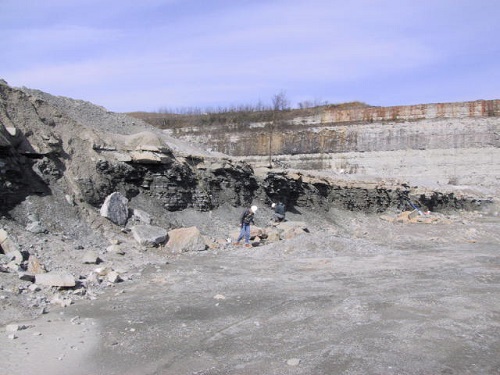
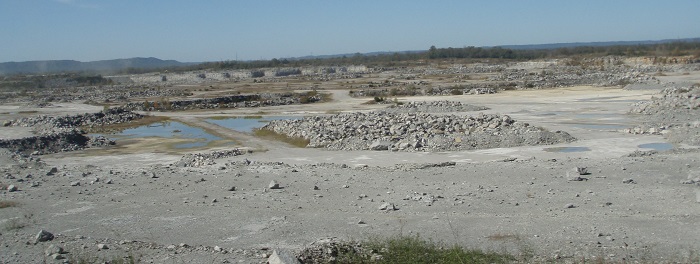
The first stop on our itinerary was the Hastie’s quarry located in an area of the fluorite district called Spar Mountain. (It is actually an escarpment.) Their limestone and sandstone mining operation is visible from several miles away (see photo 1). Fluorite has not been the Hastie’s bread and butter for a number of years since the bottom fell out of the fluorspar market. The first thing we noticed was a new entry road to the scale house – straight and wide – much better than the previous road, which was actually a county road. We met at the office and followed Bob Hastie to a section of the pit not being mined the day we were visiting. We were out of the way of their heavy equipment.

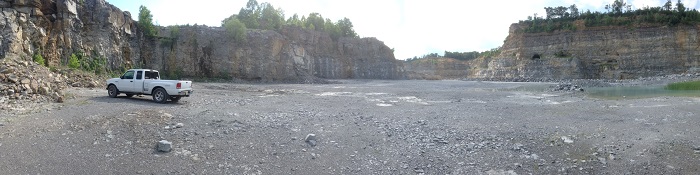
The mined out area was 30 – 40 feet lower than during my last visit two years earlier. Previous collecting had been from the Lead mine (or Austin Lead mine) deposits in the upper Ste. Genevieve Limestone. This time, we collected from Minerva Oil Company’s mining operation in the 1950’s that was exposed during quarrying recently (see photo 2) in the middle of the Ste. Genevieve Limestone. Several tunnels were obvious. According to Don Hastie, their driller has experience that enables him to avoid or minimize the trouble caused by punching through the roof of the numerous mine tunnels, so they don’t break drill rods during their operations. The main inconvenience when they do penetrate is plugging the drill hole before placing the explosives.

Although there were plenty of places to inspect, I zeroed in on a mine pillar on the south wall of the quarry which was dominated by purple fluorite (see photo 3).

One pocket I discovered was over a 30 cm in diameter, a 30 cm deep completely lined with 5mm – 1 cm cubes (see photo 4). There were numerous other pockets exposed, with primarily purple crystals of various sizes and luster.

The discovery was a pocket of gemmy purple fluorite with barite partially to completely covered with orangish-brown to yellowish-brown smithsonite in this pillar! I noticed a small fluorite lined opening, and opened it with a 3 pound sledge hammer and wide chisel. The smithsonite specimens are botryoidal or have small club-shaped crystals. They average 1mm in length and when they are not inter-grown, are typically doubly-terminated. Inter-grown crystals are quite interesting under low magnification. Some specimens and cleavages are “turkey-fat” color, a couple are chocolate brown and almost as lustrous as sphalerite!
The occurrence of smithsonite is particularly curious, since I have not recorded a single sphalerite crystal in all my years studying the Hastie’s property. The pocket was almost 3 feet in length and varied from a couple to 10 inches in thickness. Immediately below the pocket was an unusual area where the limestone had been leached away, leaving a porous, silicious rock in its place (see photo 5).

The paragenesis of this pocket seems to indicate the carbonate component came from the leached limestone below the pocket. The zinc must have migrated an unknown distance up-dip from the sphalerite source. The barite formed after the fluorite, and generally prior to the smithsonite. However some late-forming barite crystals smaller than 3 mm occur on the smithsonite. Photo 6 shows a closer view of the smithsonite pocket.

We collected specimens from nearly a foot across to thumbnail size, with a few micromount specimens, too. I immediately donated one fine specimen to the Clement Mineral Museum, another to Hal Noltimier. We ended up with seven or eight flats of smithsonite.
Above the smithsonite, Mark worked an area particularly rich in lustrous purple cubes (up to two inches across). Most of the specimens were so inter-grown, it was difficult to get any “knock-out” specimens (photo 7). In the adit on the far side of the pillar, I found a large pocket where a couple of nice lustrous yellow fluorite crystals and some small gemmy clear calcite were picked up (photo 8).


Ron Stubblefield collected a specimen with several late-forming tabular purple fluorite crystals perched on regular cubes. I found one like that associated with the smithsonite. Hal and Paula collected fluorite off the rock piles in the pit. One razor-shape crystal required him to dig into the first aid kit.
Our plans to visit Rosiclare and mine dumps on top of Spar Mountain did not pan out, so Mark and I stayed in the pit as late as was practical. We visited the large mine tunnel and gingerly explored the first 100 feet (see photo 9). Roof bolts were hanging like iron stalactites: the 45 to 50 years of weathering – combined with the blasting above – had knocked the loose rock down from the roof of the tunnel. A number of specimens were found in the loose rubble. One was a 17 cm long specimen with cubes up to 6 cm wide, but they are somewhat etched. I also carried out a 30 cm -long boulder consisting of a doubly terminated honey-brown scalenohedral calcite crystal, deep purple fluorite and smaller calcite parallel crystals in pockets. This is the largest calcite crystal I have personally collected from Cave in Rock area. While aesthetic, it is not a high-quality piece and was placed my rock garden.

Mark and I brought back 25 flats of specimens along with a bucket with ore samples for grab bags and fluorite cleavages to make octahedrons (photo 10) collected from other mine dumps. We cleaned and divided the specimens before he headed back home. At the last minute, I had used my clamshell luggage topper on his car to hold our camping gear. The last time I had been in a small car this fully-packed was on a cross country astronomy junket I did with a friend 20 years ago!

After an incident a couple of years ago the Hastie’s changed their property-access policy and do not want to deal with groups or collectors they do not already know. I have known the owners for 18 years (geez, that’s hard to believe!) and respect their wishes. This is an active quarry with huge equipment and dangerous areas not suitable for inexperienced collectors. I will have some material available, although it is possible that most will be sold or traded before the article is published. I am scheduling another trip later this year, but with the Hastie operations, there is no telling what areas will be accessible and what will be found!
Reference:
Goldstein, Alan, 1997. The Illinois-Kentucky Fluorite District, The Mineralogical Record, vol. 28, no. 1.